
Understanding Malaysia’s International Trade Landscape
Comprehensive analysis of trade balance, RCEP and CPTPP partnerships, palm oil dominance, and semiconductor sector growth in ASEAN markets
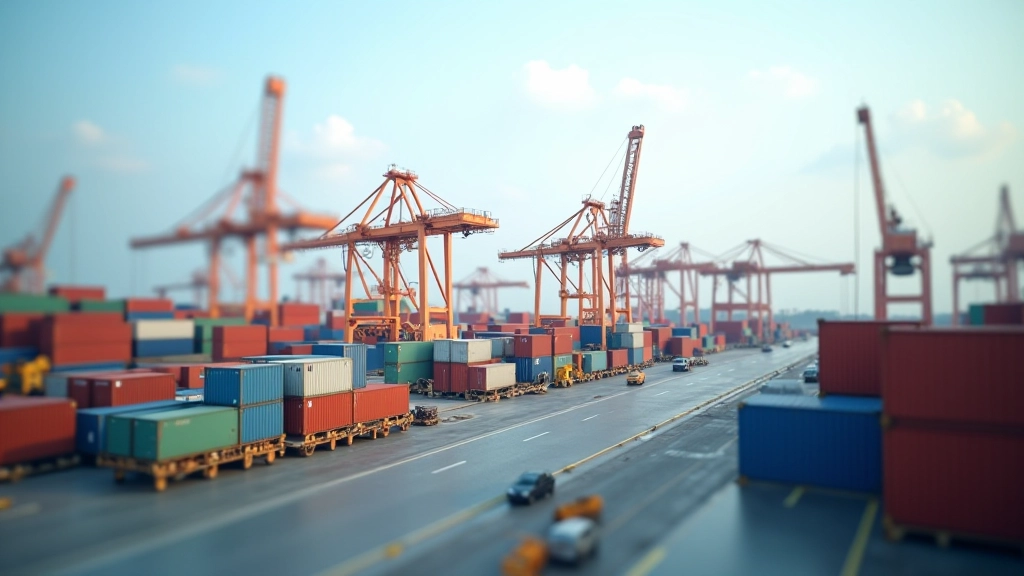
Malaysia’s Role in Global Trade
A strategic player in regional commerce
Malaysia has positioned itself as a critical hub in Southeast Asian trade. The country isn’t just a participant — it’s reshaping regional commerce through strategic partnerships and sector specialization. We’re talking about a nation that’s transformed from a commodity exporter into a tech manufacturing powerhouse.
Trade balance dynamics here matter. Malaysia manages complex relationships with major economies while deepening ties through RCEP and CPTPP. That’s not simple logistics — it’s economic strategy playing out in real time.

Key Trade Dynamics
What shapes Malaysia’s export economy
RCEP Framework
Regional Comprehensive Economic Partnership opens market access across 10 ASEAN nations plus China, Japan, South Korea, Australia, and New Zealand. That’s 2.3 billion people.
CPTPP Trade Agreement
Comprehensive and Progressive Agreement for Trans-Pacific Partnership connects Malaysia to 10 developed economies. Tariff reductions and market access mean real opportunities for exporters.
Palm Oil Excellence
Malaysia produces roughly 35% of the world’s palm oil. But it’s more complex than volume — sustainability standards, price dynamics, and trade tensions reshape this sector constantly.
Semiconductor Strength
Assembly, testing, and packaging operations make Malaysia vital to global chip supply chains. Geopolitical tensions and supply chain reshoring are creating new pressures and opportunities.
Trade Balance Analysis
Exports versus imports tell the story of Malaysia’s economic health. We break down surpluses, deficits, and the sectors driving growth or facing headwinds.
ASEAN Positioning
As the third-largest economy in ASEAN, Malaysia’s trade policies ripple across the region. Regional market dynamics matter as much as global ones.
Trade Sector Snapshot
Current performance metrics across key export categories
Malaysia’s total merchandise exports represent significant economic output and global trade participation.
Electrical and electronics products dominate export categories, reflecting manufacturing capabilities and semiconductor importance.
Annual palm oil production volume positions Malaysia as the world’s leading exporter, though volumes fluctuate with weather and policy.
Assembly and testing operations contribute substantially to export revenues and employment across multiple states.
Understanding Trade Agreement Impact
How RCEP and CPTPP reshape Malaysia’s export strategy
Tariff Reduction Phases
Both agreements implement phased tariff cuts. Products move from protected status to competitive pricing over 5-10 year periods. This timing shapes investment and production decisions.
Rules of Origin Compliance
Exporters must meet content requirements — specific percentages of value added in member countries. Getting this right means tariff benefits. Getting it wrong costs real money.
Market Access Opportunities
New market entry becomes viable when tariffs drop. Malaysian exporters gain preferential access in Japan, Australia, Canada, and other developed markets they couldn’t compete in before.
Supply Chain Optimization
Agreements enable regional production networks. Companies can locate manufacturing across ASEAN, assembling final products in Malaysia to access multiple markets under preferential terms.
Why This Information Matters
Understanding Malaysia’s trade economy provides context for regional and global commerce
For Business Professionals
Trade agreements directly affect your supply chain, pricing, and market access. Understanding tariff schedules and rules of origin isn’t optional — it’s competitive intelligence.
For Students & Researchers
Malaysia’s trade story demonstrates how emerging economies navigate regional partnerships. It’s a case study in economic strategy that plays out in real time with measurable outcomes.
For Policy Makers
Trade balance trends, sector performance, and agreement implementation data inform economic planning. Malaysia’s experience offers lessons for regional development strategies.
For Investors
Trade dynamics reveal growth sectors, risk factors, and structural changes. Palm oil volatility, semiconductor demand, and trade tensions all affect investment returns.
Common Questions About Malaysia’s Trade
Clarifying key concepts and current dynamics
What’s the difference between RCEP and CPTPP?
RCEP is broader geographically (includes China, covers 2.3 billion people) but less stringent on standards. CPTPP is smaller (11 members) but has stricter labor, environmental, and IP requirements. Malaysia benefits from both — different markets, different advantages.
Why is Malaysia’s palm oil export significant?
It’s volume, revenue, and global dependency. Malaysia produces roughly 35% of world supply. Prices set in Malaysia influence global markets. But there’s also controversy — sustainability concerns shape policy and buyer preferences.
How do geopolitical tensions affect semiconductor exports?
US-China tensions create pressure on chip supply chains. Malaysia’s role in assembly and testing makes it strategically important but also vulnerable to export restrictions and supply chain reshoring by Western companies.
Is Malaysia’s trade balance positive or negative?
It’s generally positive — exports exceed imports. But the margin changes seasonally and with commodity prices. Palm oil prices, semiconductor demand, and oil export values drive monthly variations.
What sectors beyond palm oil and semiconductors matter?
Petrochemicals, refined petroleum, optical instruments, and chemicals are substantial. Plus services like tourism and finance. It’s not just goods — services trade is growing faster than merchandise trade.
How does ASEAN positioning affect Malaysia’s trade?
As ASEAN’s third-largest economy, Malaysia influences regional trade policy. ASEAN integration means both opportunity (single market) and competition (intra-regional trade increases). It’s complex — integration creates winners and losers.
Malaysia’s International Trade & Export Dynamics
In-depth analysis and research guides

RCEP vs CPTPP: Understanding Malaysia’s Trade Agreements
How these two mega trade agreements shape Malaysia’s market access, tariff benefits, and regional competitiveness in goods and services trade.
Read Analysis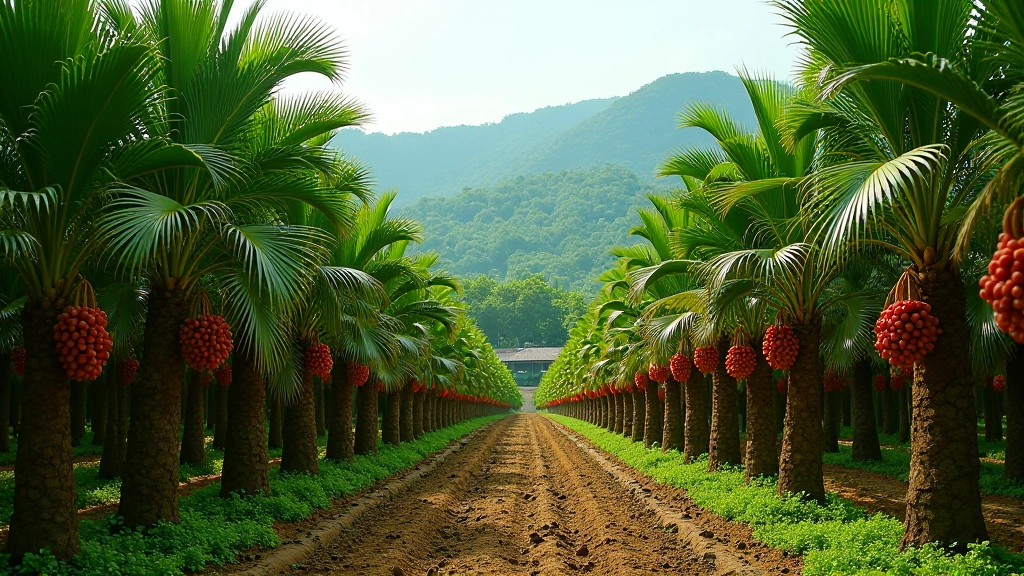
Palm Oil Exports: Malaysia’s Agricultural Powerhouse
The numbers behind Malaysia’s dominance in global palm oil production, sustainability challenges, and market dynamics affecting prices and export volumes.
Read Analysis
Semiconductor Exports: Tech Sector Growth & Supply Chains
Malaysia’s rising importance in global semiconductor manufacturing, assembly operations, and how geopolitical tensions reshape tech supply chains and export strategies.
Read AnalysisReady to Dive Deeper?
Whether you’re researching trade policy, tracking market dynamics, or understanding supply chain implications, we’ve got detailed resources and analysis. Get in touch to discuss your specific questions about Malaysia’s trade economy.
Contact Us